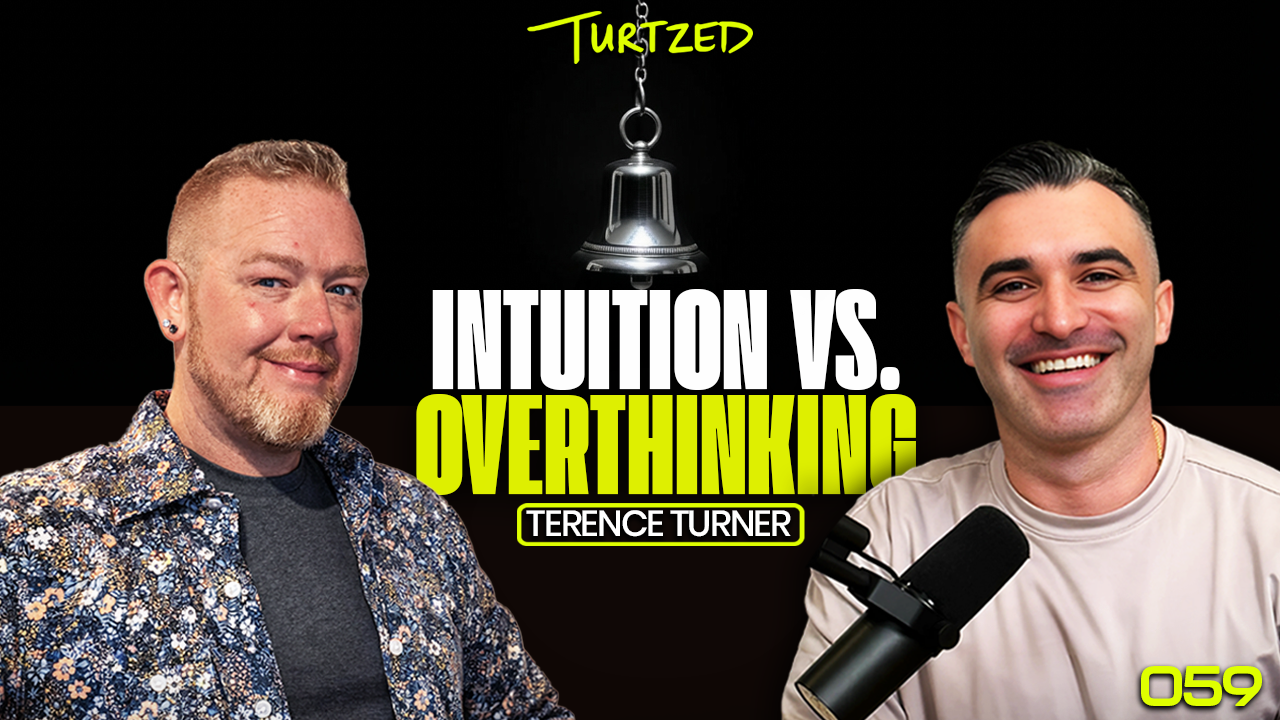
Intuition is often the quietest voice in the room, yet it is the most powerful tool we possess for navigating life’s complexities. In a recent episode of the TURTZED podcast, host Charles sat down with intuitive guide Terence Turner to discuss how to harness this internal guidance system. Many of us have spent years ignoring that small, quiet voice in favor of logic, but reclaiming your intuition, a skill Terence Turner has mastered through years of personal experience, is the key to a more authentic and purposeful life.
1. The Childhood Connection to Intuition
Terence explains that we are all born with a high degree of natural intuition. As children, we lack the social filters that tell us what is “right” or “wrong” to say; we simply “roll with it.” Terence recalls early memories of “knowing things he shouldn’t,” such as locating hidden birthday presents in a car trunk or predicting the 35 year longevity of his mother’s relationship despite a rocky start.
However, as we age, we learn the “rights and wrongs” of society and begin to bury that part of ourselves. To reclaim your intuition, you must first acknowledge that this capability has been with you since birth.
2. Why We Ignore Our Gut Instincts
The TURTZED podcast highlights several reasons why adults struggle with their natural intuition:
- External Validation: We often look for others to validate us rather than trusting our own feelings.
- Societal Control: Modern life is highly scheduled, which “screws with that gut instinct.”
- Fear of Judgment: Terence was often called “crazy” or a “liar” as a child when he shared his insights.
- Confusion: Many people confuse what is happening in their brain or heart with their actual intuition.
3. Building Trust Through Outcomes
When asked where his self trust came from, Terence’s answer was simple: seeing the outcomes. By observing how his feelings manifested in reality, even when he tried to ignore them, he built a “library” of meanings for different sensations like smells, tastes, or mental images.
To master your intuition, start by documenting small gut feelings and tracking their results. Over time, these successful outcomes become the evidence you need to lean into your inner wisdom more strongly.
4. Distinguishing Fear from Intuition
One of the most profound insights from this podcast episode is that the best opportunities often trigger a fear response. Terence notes that your soul often knows when a step is important, which can feel intimidating.
“I think your soul knows that it’s important… and I don’t believe in letting fear get in the way of things.”
True intuition is different from fear; while fear often feels like a “stop” sign, a gut feeling can be a sign that you are moving toward significant growth despite the nerves.
5. The Role of Connection and Therapy
Even an intuitive guide like Terence relies on external support. He emphasizes the importance of:
- Therapy: Terence believes everyone needs an outlet to talk, especially during the formative years of 16 to 22.
- Genuine Connection: There is a difference between being digitally “connected” and having a true one on one connection.
- Being a Sounding Board: Often, we don’t need to solve problems for others; we just need to listen and be a “sounding board.”
6. Destiny and Soulmates: A New Perspective
Terence offers a unique take on destiny. He doesn’t believe in a single “soulmate.” Instead, he believes we have “millions of soulmates,” people meant to enter and exit our lives to help us learn and grow. Some connections stay for a lifetime, while others are only meant for a single chapter. This perspective allows for more flexibility and less pressure when navigating relationships.
7. Conclusion: Putting in the Work
The ultimate message is to stop letting fear dictate your decisions. Developing your intuition is not a passive act; it requires active work, self reflection, and the courage to be authentic in a world that often demands conformity.
For more resources on mental health and self discovery, you can visit the National Institute of Mental Health or explore further episodes of the TURTZED podcast to hear more about healing from personal trauma.
Connect with Terence Turner