What Vulnerability Actually Looks Like
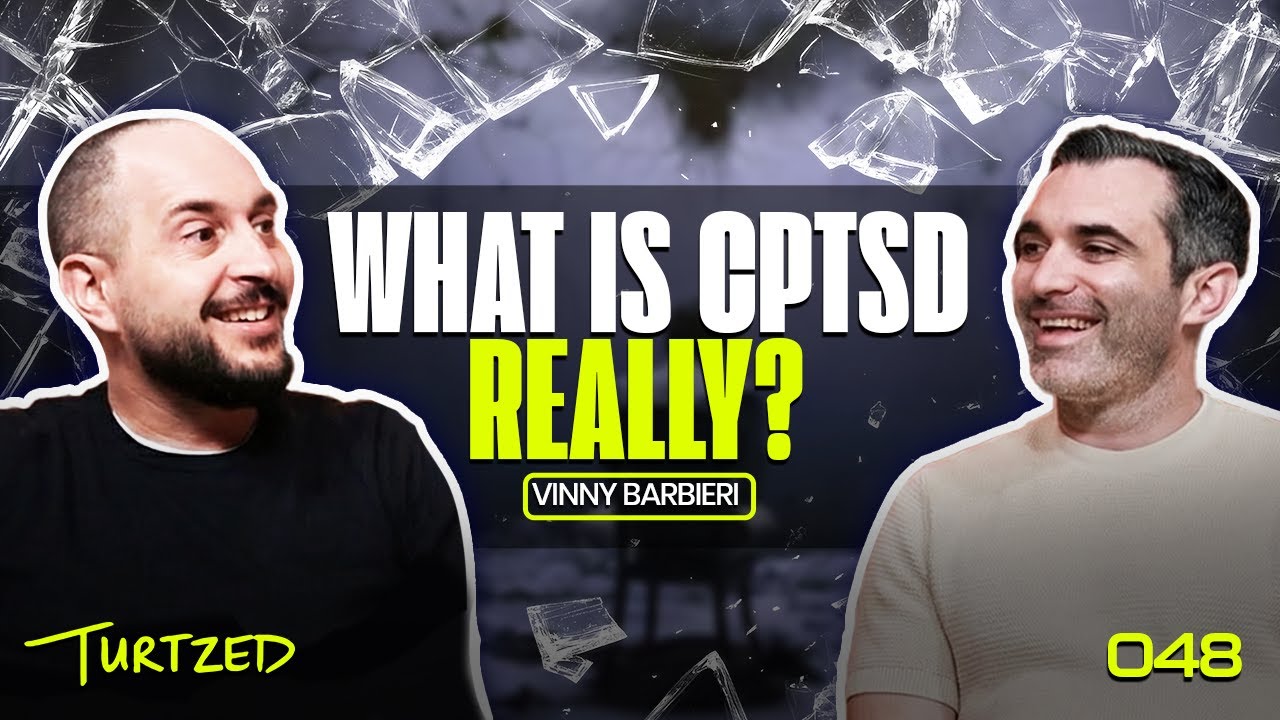
True vulnerability is not oversharing or emotional collapse. It is saying, “I’m upset with you,” and then pausing. Not storming out. Not preemptively cutting someone off. Just staying present long enough to see what happens next. That idea came up powerfully in my conversation with Vincent Barbieri. For people shaped by CPTSD, that pause can feel terrifying, because history has taught them that expressing needs leads to rejection.
How Identity Gets Shaped Before We Know It
There is no clear sense of self at birth. Identity forms inside relationships, especially early caregiving ones. When children learn that expressing needs causes withdrawal, criticism, or emotional punishment, a belief takes root: suppress yourself to keep people close. Over time, this can quietly distort self-worth, safety, and how relationships are navigated well into adulthood.
Why CPTSD Isn’t One Big Event
Unlike single-incident trauma, CPTSD often comes from repeated relational experiences. Small moments of invalidation accumulate, like water slowly carving a canyon. As adults, this shows up as outsized emotional reactions that seem confusing or disproportionate. The reaction isn’t about the present moment. It is the nervous system responding to old, unresolved emotional memories.
Rejection Sensitivity and the Fear of Being Seen
Rejection sensitivity heightens awareness of subtle shifts in tone, expression, and energy. While this can become a professional strength, it can also cause people to perceive rejection where none exists. The nervous system prioritizes protection over accuracy, especially when identity feels at stake.
Anger as a Signal, Not a Problem
Anger is often misunderstood. At its core, it signals injustice or a crossed boundary. Being told to suppress anger teaches people to turn off an internal radar meant to keep them safe. The issue is not feeling anger, but how it is handled. Suppressed anger turns inward. Unchecked anger turns destructive. Awareness allows it to become informative instead of harmful.
Why People Shut Down Instead of Speaking Up
For many with CPTSD, expressing frustration feels too risky. The body anticipates invalidation before words are even spoken. So people leave instead. They withdraw, ghost, or emotionally disappear. It feels safer than waiting to see whether they will be heard.
The Role of Grief in Healing
Healing requires grieving what was never received. Safety, validation, protection, acceptance. When that grief is avoided, people keep searching for it externally. When it is acknowledged, the need loosens its grip. Grief is not a weakness. It is how the nervous system finally releases what it has been holding.
Feeling Unsafe Is Part of Feeling Safe
You cannot build real safety without first noticing where you feel unsafe. Those moments of discomfort, hesitation, or fear in relationships, are not failures. They are information. Paying attention to them is the first step toward change.The Takeaway
CPTSD is not a life sentence. It is a map. When you understand how your past shaped your reactions, you gain choice. Vulnerability becomes possible. Relationships become clearer. And safety stops being something you chase, and starts becoming something you build within yourself. of living with honesty, freedom, and real connection.
Connect with Vincent Barbieri